Polypine Review – Building Your Forest Ecosystem: Have you ever dreamed of building your own forest from the foundation up? This PolyPine review explores a cozy forest simulation game where you become the architect of thriving natural habitats.
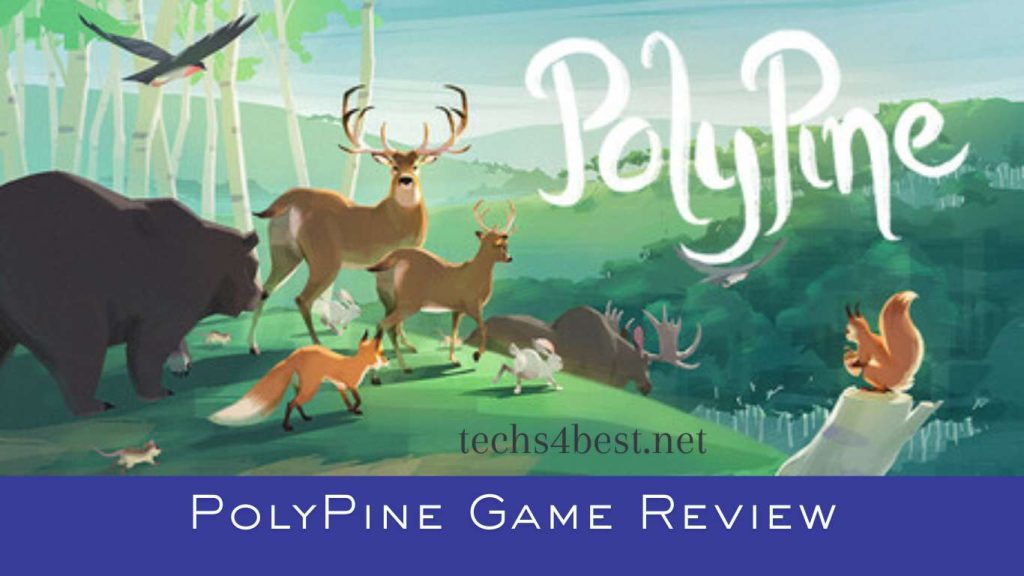
Polypine starts you off with a few simple seeds. Your task is to build rich ecosystems teeming with plants, insects, and animals. This sandbox simulation stands out because of its incredible detail—you’ll see deer helping fertilize the soil and discover hundreds of species as you progress.
The concept may seem straightforward, but this Windows PC game from Cloudberry Pine gives you creative freedom that keeps you coming back. Let us take a closer look at PolyPine’s gameplay mechanics and visual design to see if it delivers on its promise of a peaceful forest building experience.
PolyPine Gameplay: Developing Your Forest Ecosystem
PolyPine’s core gameplay allows you to construct a complex ecosystem from its inception. I got hooked the moment I started planting my first seeds and watched them grow through different stages – from seed to sapling, mature tree, dead tree, and finally fallen trunk. The way each stage creates unique homes for different species adds an extra layer of strategy to planning your forest.
This forest simulator really stands out because of how it handles ecological relationships. You can’t just drop animals anywhere – they need specific living conditions before they show up. Trees are essential for squirrels, flowers attract butterflies, and predators won’t survive without prey. My woodland grew steadily as I met these conditions and brought in new creatures.
The game’s most unique feature is how you can interact with the animals. Each click on a creature triggers actions that shake up the whole ecosystem. Moose clicks create fertilizer that improves soil for plants. Voles damage tree roots, while foxes hunt smaller animals. These actions set off fascinating chain reactions throughout your environment.
Polypine Review
You can create forests in all sorts of places – hills, lakes, mountains, fjords, and wetlands. The terraforming tools give you even more ways to customize your land. I thoroughly enjoyed tweaking my approach for each landscape since they all come with their challenges.
Natural disasters make things interesting by throwing unexpected twists into your plans. Forest fires, storms, and bark beetle attacks can completely change your ecosystem. These events aren’t just obstacles – they can actually help your forest if you play them right.
The game’s progress system rewards you with permanent upgrades, including a handy in-game auto-clicker that plants trees at amazing speeds. The campaign mode packs about 10 levels that take 4-10 hours to finish. If that’s not enough, freeplay mode never ends thanks to procedurally generated terrains.
Polypine Review : Keeping everything balanced gets trickier as predator-prey relationships develop. I found that there was a need to maintain enough rabbits to feed the owls. This delicate balance makes the game both educational and fun.
Polypine Visual Design and Performance Analysis
PolyPine immediately captures your attention with its distinctive low-poly graphics style. The visual design offers a charming simplification of nature that packs amazing detail. The forest environments feel surprisingly alive and atmospheric, even with their geometric simplicity. Every animal, plant, and landscape element shows real character without needing high-res textures.
The game’s visuals do more than just look good – they help it run smoothly on basic hardware. PolyPine works great on systems with just 2 GB of RAM and an Intel Core i3 processor. Storage needs are minimal too, as you only need 512 MB of free space. So almost anyone with a modern computer can build their virtual ecosystem without worrying about performance.
The visual design really shines in how it supports the gameplay. Simple polygonal trees and animals make different species and life stages easy to spot quickly. This clear visibility helps a lot when you’re managing big forests with hundreds of elements working together. Your ecosystem can grow complex without visual overload getting in the way.
Color is a vital part of PolyPine’s visual language. Each element uses specific color schemes that let you identify animal types, plant species, and environmental features at a glance. The lighting creates a warm, cozy feel that makes gameplay more relaxing.
The developers added smart accessibility features to the visual design. Elements stand out clearly and are easy to interact with, even during busy moments. The game balances simple visuals with practical clarity really well.
Players who like to customize can shape the environment to create their own unique landscapes. PolyPine shows that you don’t need fancy graphics to make an engaging and beautiful simulation game.
Depth and Replayability of PolyPine
PolyPine amazed me with its unexpected depth and staying power. The game starts with a campaign mode featuring 10 levels that you can finish in 4-10 hours. However, this is only a glimpse into the vast array of features this game offers.
The real magic happens in freeplay mode with its smart terrain generation and tons of ways to customize your world. Every new map the game creates turns into a unique playground packed with its own set of challenges and tricks. I keep finding fresh ways to build ecosystems on all sorts of terrain – from rolling hills and pristine lakes to towering mountains, dramatic fjords, and lush wetlands.
The upgrade system adds another dimension through permanent improvements. The game-changing auto-clicker stands out as my favorite feature. It lets you plant “at the speed of light” and opened up strategies I hadn’t even imagined before.
The game keeps interesting with its large list of 35 flora and 42 creatures. Every plant and animal has unique requirements and characteristics that interact intricately in your forest. It’s not only about gathering them all; understanding their interactions becomes its own interesting game.
Random disasters keep you engaged and prevent boredom. Your carefully planned forest can get hit by fires, storms, or bark beetle invasions. These events force you to adapt quickly and sometimes even turn them to your advantage.
Mushrooms create mycorrhizal networks that add yet another layer to master. These fungal connections let trees share resources and grow into giants. It shows how the game slowly reveals its complexity as you play more.
The game added water mechanics that brought pond ecosystems into play. This update doubled the strategic choices players can make. PolyPine keeps growing with substantial updates that prove its worth well beyond first impressions.
The game might look simple at first, but its interconnected systems create an engaging forest simulation that hooks you long after you plant your first tree.
Final Review Of PolyPine
PolyPine excels as a remarkable achievement in forest simulation games. Players start with simple seed planting, and I found an array of interconnected systems that kept me participating for hours. The game’s low-poly graphics might look simple initially, yet they complement the gameplay perfectly and ensure almost any PC runs it smoothly.
The game masterfully balances accessibility with depth. Players manage predator-prey relationships and adapt to natural disasters while each new mechanic adds meaningful complexity naturally. The developers’ recent addition of water mechanics and pond ecosystems demonstrates their steadfast dedication to thoughtful game expansion.
My extensive time with PolyPine confirms it delivers a relaxing yet engaging forest-building experience. Campaign challenges combined with endless freeplay possibilities appeal to both structured and creative players. This simple foundation has evolved into a uniquely satisfying ecosystem simulator that surprises me consistently with fresh discoveries.
Read - The First Berserker: Khazan Review – After 40 Hours,Here’s The Truth